

go to the website are bred with an instinctual need to protect. Their size and popularity as guard dogs, along with their intimidating appearance can make them a formidable deterrent to potential intruders.
However their protective nature is best managed through the right training. This includes early socialization and obedience training to help them differentiate between threats and normal situations.
Physical Prowess
A German Shepherd's physical prowess makes it a formidable protector. Its powerful, agile body allows it to swiftly attack and defend itself against threats while its powerful, extended bite is deadly and requires much effort. This breed is ideal for protecting large homes or farms due to its unmatched endurance and increased awareness.
German Shepherds are among the top breeds of dogs in terms of mental ability. They are awe-inspiring at learning commands, quickly and then retaining them over time. This ability to solve issues helps them make quick decisions and evaluate situations.
German Shepherds were originally used as guard dogs and herding dogs. They have an instinctual desire to protect. They are loyal to their herd and their family, and will defend them with a fierceness which can be a bit intimidating. This protective nature was developed through selective breeding to safeguard livestock from predators. It can be harnessed through obedience training and socialization.
It is important to remember that a GSD can be triggered to protect by other triggers like fear or aggression. To prevent this from happening, it is crucial that a German Shepherd undergoes proper obedience training and is socialized at a young age.
It is true that certain dogs are naturally protective, but they aren't what we would call "protective behavior." Instead they're more of resource-guarding and involve eating anything that the dog perceives as a danger. They aren't protecting their owners or their homes.
When trained to protect When trained to guard, the German Shepherd will only display aggressive behavior on command and cease when directed to do so. This is what personal protection dogs are trained to do.
When properly trained, when properly trained, the German Shepherd can be a loyal companion and an effective guard dog. Remember that bringing an German shepherd into your home is a major time, emotional and financial commitment. With a lifespan of 10-13 years, the responsibility of owning a German Shepherd should not be taken lightly. Before you embark on this journey, it is crucial to be aware of the full scope of this responsibility and seek the assistance of a professional.
Intelligence
German Shepherds are intelligent dogs. Their intelligence is one of the reasons they are excellent protection dogs. They are quick to learn and able to retain information, making them easy to train and a great option for personal security. These characteristics allow them to assess an event quickly, make a split-second decision and react intelligently.
They're brave, and that courage translates into a unwavering loyalty to their families. That loyalty, coupled with their tenacity and intelligence, makes them dependable guardians who are ready to protect their loved ones. However, their natural protective instincts are sometimes confused with aggression and that's why responsible ownership and careful training are essential.
A trained German Shepherd is strong and confident and can react quickly in a dangerous situation. They have the stamina to cover long distances and pursue suspects without losing their enthusiasm. These dogs are used by law enforcement officers to patrol homes and assist officers in pursuits.
German Shepherds are famous for their instinctual protection. This is why they are so effective in guarding family members. They also quickly analyze situations and then decide to take action on their own, or at the command of their owners.
Their intelligence allows them to adapt to different environments. They can easily switch from a home security patrol to assisting with law enforcement. They're adept at shifting gears and remain calm in high-pressure situations, which is why they're heavily relied upon in military and police work.
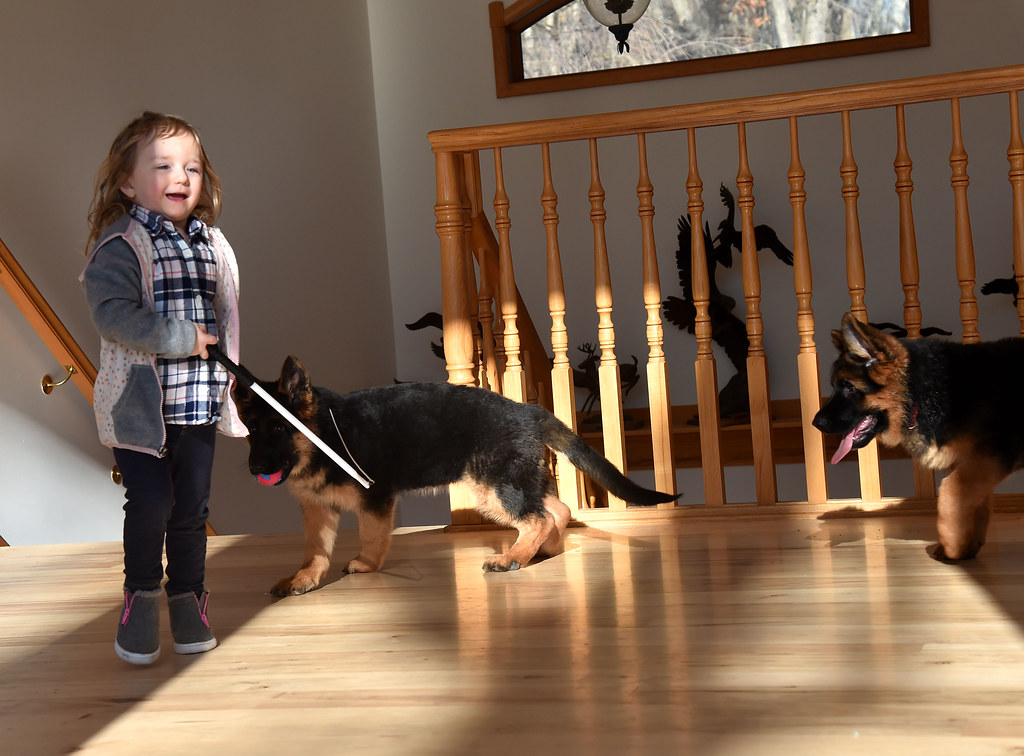
Because of their naturally protective nature These dogs must be socialized as soon as is possible. If they don't get enough attention and stimulation they could turn aggressive or destructive. Therefore, it's crucial to find an animal trainer who can teach basic commands and socialize them with other people and animals.
As a result, German Shepherds are fairly high maintenance dogs and require lots of mental and physical stimulation. It's essential to include them in your daily life as well as take them for regular walks, and make sure they are socialized with as many dogs and people as they can. It's crucial to teach them basic command and use positive reinforcement to correct undesirable behavior.
Loyalty
German Shepherds are courageous and extremely loyal, making them natural protectors. They are bonded to their families and are extremely dedicated, showing their love to strangers as well. Although their protective instincts could be misinterpreted as aggressive however, responsible ownership and training will help channel that energy positively.
They are extremely intelligent and can easily adapt to new situations. They are strong and athletic which makes them ideal for work in protection. They are able to swiftly stop and fend off dangers. They also have a formidable bite, which can be used to deter and take down attackers.
A well-bred GSD will have the five critical instincts which include: Booty Instinct Fighting Drive Instinct Self Preservation Instinct and Sharpness. These instincts are inherited genetically from well-bred parents. They also aid in the development of a dog's intrinsic protective nature when it comes to territoriality.
Many people believe that their German Shepherds are naturally protective. However, they may not realize that the size of their dog is enough to ward off intruders. Even German Shepherds are not born with the capacity to be truly protective. They require extensive exposure to friendly people and normal behaviors to be able to differentiate the good from the bad. This means that, in the event that they need to defend themselves they will be able to use the knowledge and confidence gained from their prior positive experiences.
German Shepherds are extremely loyal and are devoted to their owners. They are devoted to earn their owner's approval. They are often seen in public service roles like police and military task force, as well as guide dogs for the visually impaired. Because they have such stable temperaments and bonds well with their families, they're also great companions for children.
It's important to consider your lifestyle when deciding whether not to adopt a German Shepherd. You should be aware of how much time you have to devote to your dog each day. They need a lot of mental stimulation and exercise to stay healthy and content. If they don't receive enough attention, they'll seek out ways to keep themselves entertained and this can lead to destructive behavior. In the end, these wonderful dogs can bring joy and meaning to your life when you're willing to devote time and effort to them.
Socialization
Socialization and stimulation for the brain early can significantly impact the dog's personality. Genetics are a major factor, but they are not the only ones. Puppies who are exposed to many different things, people, and sounds grow up to be confident dogs. They are able to distinguish between people who are friendly and those who may be dangerous and respond accordingly. A well-socialized German Shepherd can also use their physical prowess and instinctive protectiveness to shield their family from being hurt by unknown individuals or other animals.
As powerful, agile athletes, German Shepherds can easily complete physically demanding tasks, such as pursuit and tracking. They are often used in law enforcement because they have the stamina and strength to overcome suspects. These attributes make them perfect for protecting and patrolling properties.
Many owners opt to have them be guard dogs since they have a strong desire to protect their family members. Positive training techniques and adequate exercise can help channel this protective nature into a reliable, controlled guardian.
However, if a cautious German Shepherd isn't well-trained or socialized, their instincts can be misinterpreted as aggressive by the people they meet. This could be dangerous because the animal, the person or family members could be injured.
One example is the story of Nancy Radebaugh, who credits her German Shepherds for saving her life after being attacked in a parking lot. The dogs' protective instincts drove the attacker away and ensured her safety.
While her story is a true one however, it is important to remember that her dogs were not professionally trained to protect them. The furry companions are her loyal companions, whom she's become accustomed to throughout the years.
It is important that German Shepherd puppies are socialized with larger, friendly dogs from a young age, such as their parents or siblings. This is a great opportunity to expose them to the physical traits and sounds of larger dogs without being intimidating or acting aggressively. This helps dogs understand that humans and other dogs should not be feared and lets them harness their protective instincts safely.